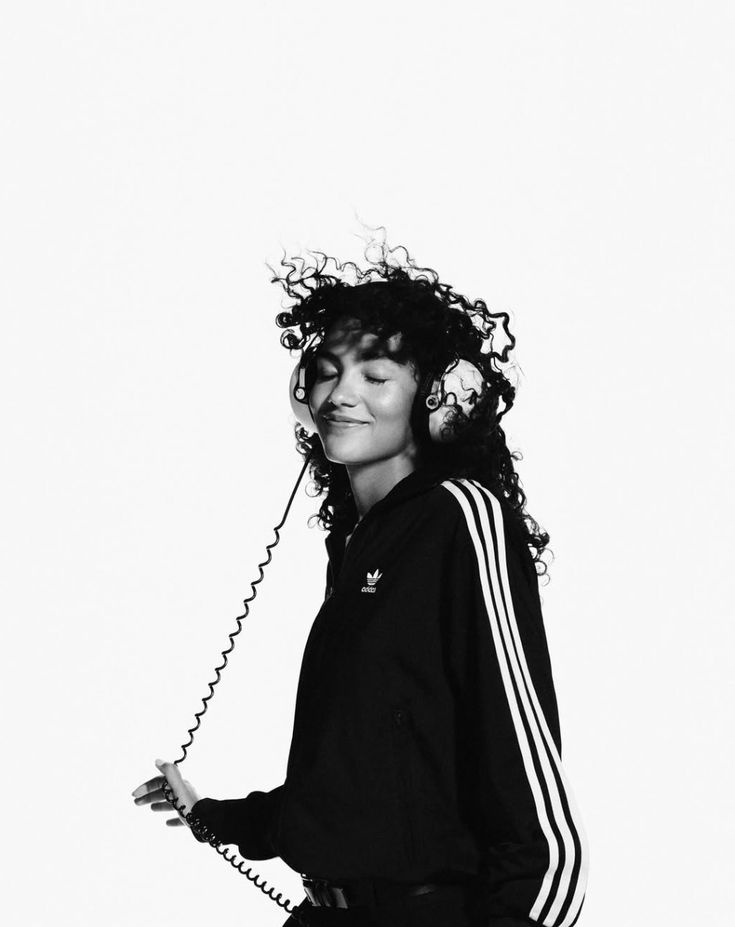


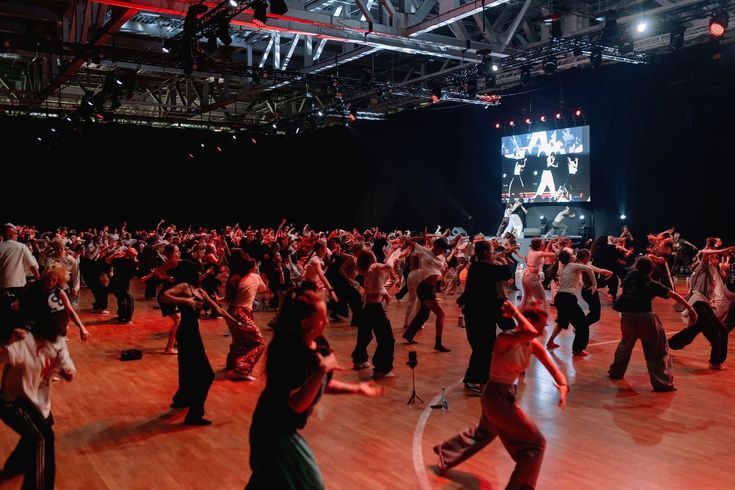
Something beautiful has been happening across India over the last few years. Railway stations, college corridors, studio basements and community halls have slowly turned into meeting points for a new generation that speaks through movement. Dance is no longer only a hobby or a reality-show dream; it has become a living culture with its own heroes, journeys and traditions.
Every weekend in some corner of the country there is an event unfolding — a workshop in Pune, a camp in Delhi, a battle in Chennai, a jam in Guwahati. Dancers are travelling overnight in buses just to attend a three-hour session with a teacher they admire. They are saving pocket money to buy entry passes, sharing dorm rooms with strangers who become family by morning. This hunger to learn has stitched cities together in a way we had never seen before.
Workshops have become modern classrooms. Instead of textbooks there are sneakers and speakers, and instead of exams there are cyphers. Young artists are discovering styles that were once only seen on YouTube — house, waacking, popping, krump, afro — and blending them with Indian rhythm and storytelling. Teachers from different backgrounds are visiting smaller towns, proving that talent does not belong only to metros.
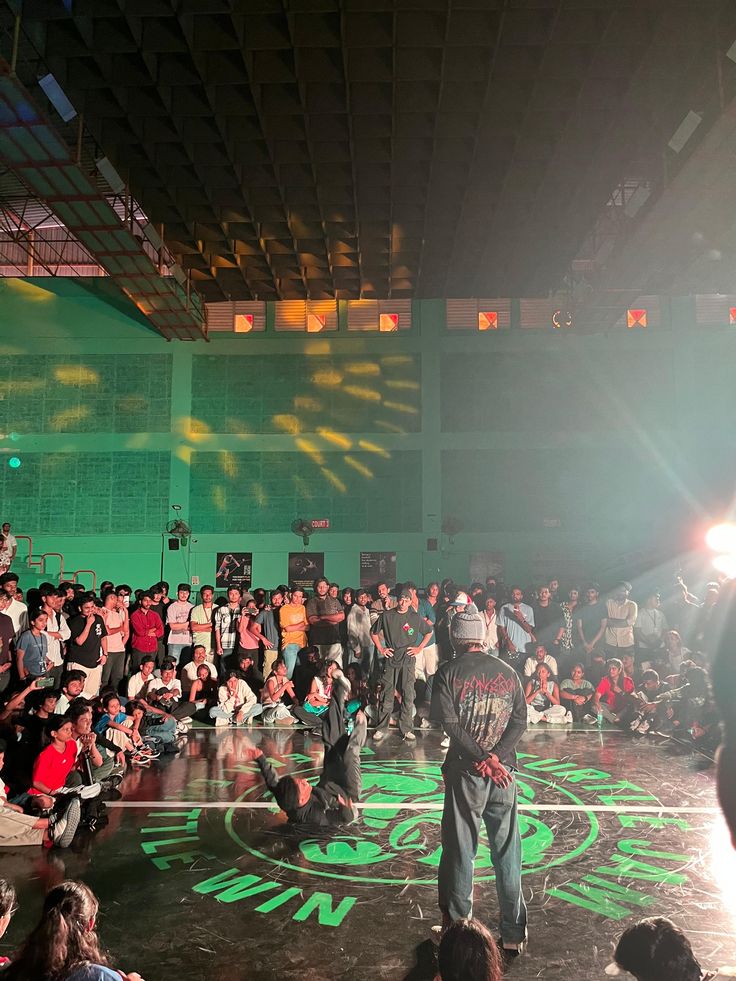
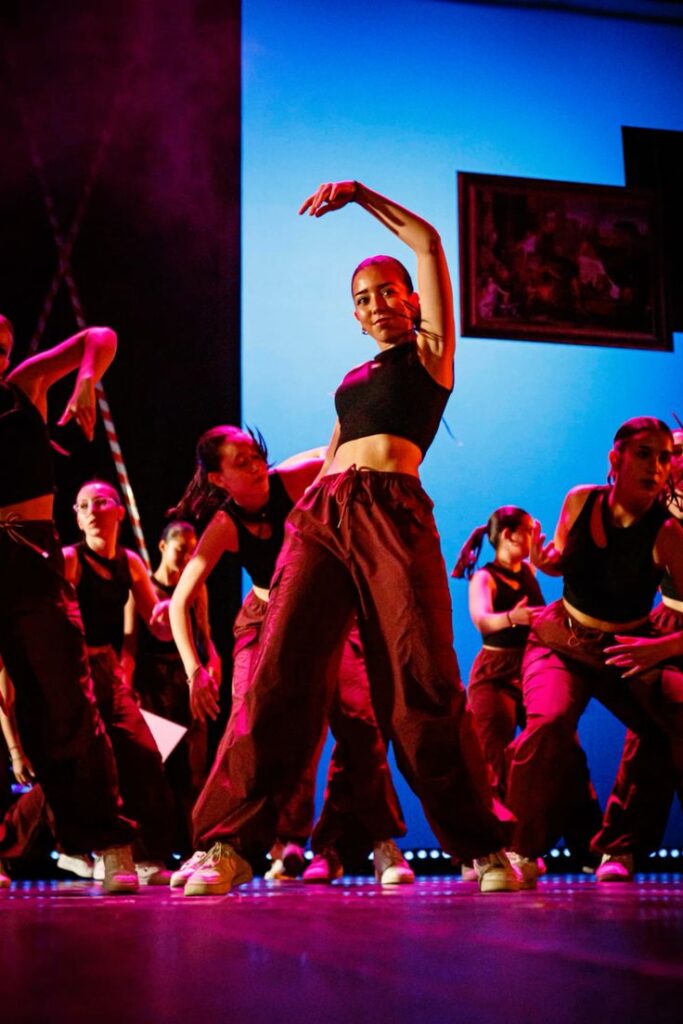
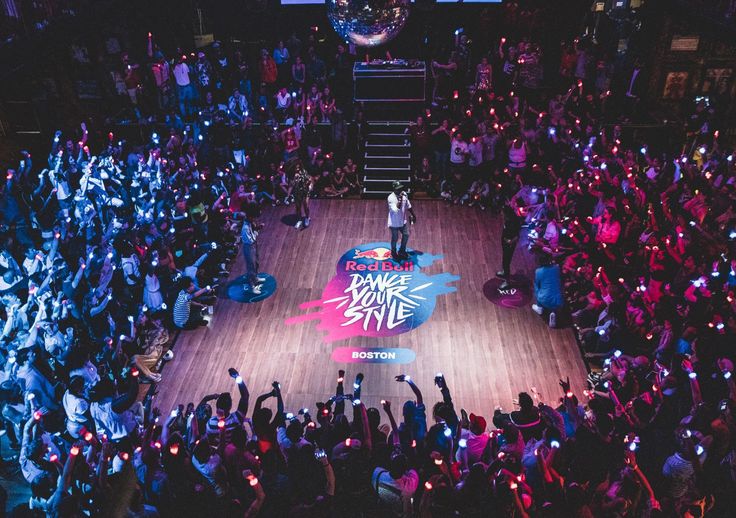
Battles have given dancers a fearless voice. Inside the circle everyone is equal: no follower count, no expensive costumes, only skill and heart. These events are teaching an entire generation how to win with humility and lose with dignity. Parents who once worried about this “strange hobby” are now standing in crowds, cheering louder than anyone.
Another powerful change is the way Indian dancers are stepping onto international stages. Crews are flying to Europe, Korea and the Middle East to represent the country, exchanging knowledge with global communities. They return with new techniques, new discipline and a stronger belief that an Indian passport can carry world-class artistry. The influence flows both ways — foreign dancers are now curious about our music, our gestures, our stories.
Social media has helped the movement, but the real growth is happening offline — in sweaty studios, shared meals after events, late-night practice sessions before a competition. Friendships are crossing languages and states. A dancer from Kerala can train with someone from Punjab and feel instantly connected through rhythm. This unity is becoming the backbone of our culture.
Of course challenges remain: lack of funding, limited spaces, and the constant struggle to balance art with livelihood. Yet the community keeps pushing forward with remarkable resilience. Independent organisers, small studios and passionate volunteers are building platforms without waiting for big sponsors. Their efforts prove that culture grows from love before it grows from money.
India is dancing its way into a new identity. The footsteps echo beyond stages into everyday life, teaching confidence, discipline and empathy. If this momentum continues, the coming years will not just produce champions but thoughtful artists who carry our diverse heritage to the world.
The movement has already begun. All we have to do is keep dancing together.