
Behind the Stage Lights — Lessons From Organising Dance Events Across India – Martin James

When people walk into a packed dance camp or a high-energy workshop, they usually see only the speakers, the dancers, the smiles and the spotlight. What they don’t see is the months of planning, the sleepless nights, and the hundreds of small decisions that make those few hours feel magical. As someone who has been organising dance events across India for years now, I have learned that an event is not built on banners and budgets alone — it is built on trust, community and obsession with details.
My journey started with a simple dream: to create spaces where dancers from different cities could learn, battle and feel like they belong. The first workshop I organised was far from perfect. The sound system failed twice, the schedule went off track, and I almost ran out of registration kits. But when I saw dancers leaving with new friendships and brighter confidence, I understood that even imperfect beginnings can plant powerful seeds.
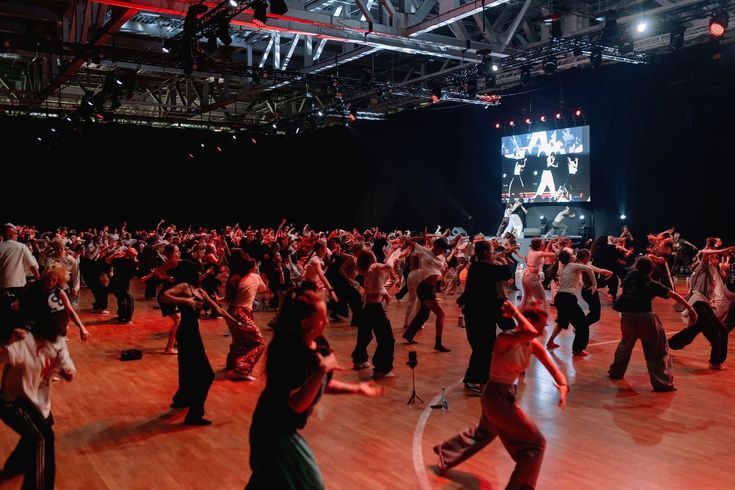
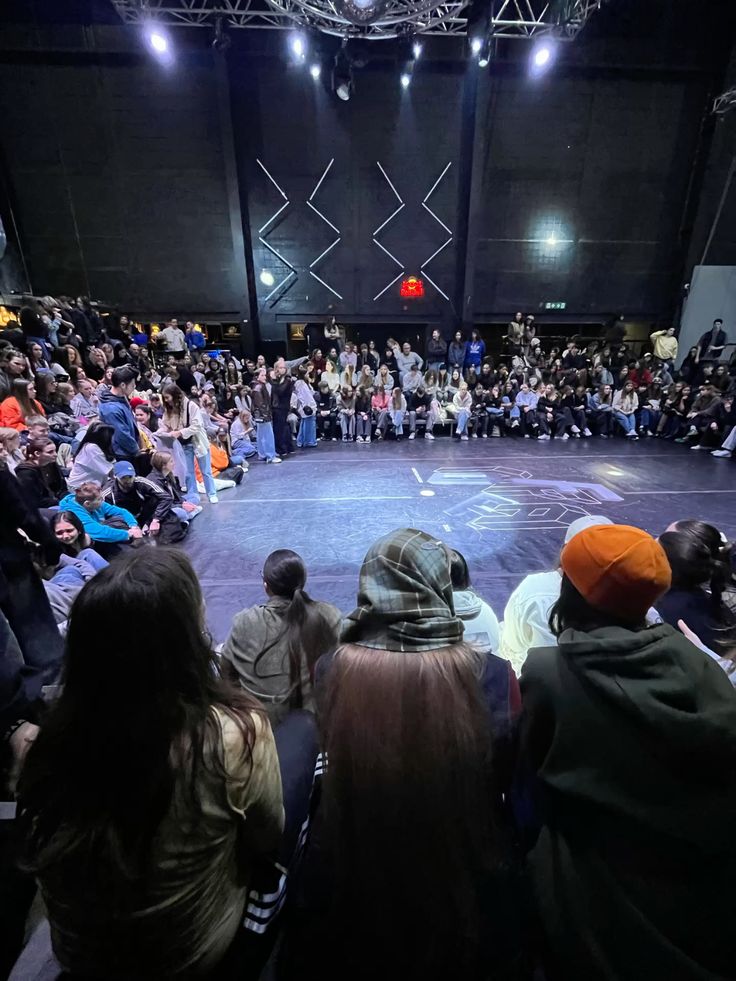
Over time I realised that successful events are born long before the actual day. The real work is in listening to the community — understanding what dancers need, which teachers can inspire them, what kind of environment will feel safe and creative. An organiser is not just a manager; he is a bridge between dreams and reality. Every email, every phone call with sponsors, every negotiation with venues is part of that bridge.
One of my biggest lessons has been about team building. No event survives on a single hero. Volunteers, designers, hosts, tech crew, choreographers — each person carries a piece of the experience. I learned to respect their time, communicate clearly and share the vision instead of only giving instructions. When the team believes in the purpose, problems turn into challenges rather than disasters.
Financial planning was another tough teacher. Passion can make you dream big, but numbers keep you grounded. I made mistakes with budgets in the early days, spending too much on glamour and too little on essentials. Now I start every project with a realistic plan, backup funds and transparent deals with artists and partners. Creativity needs discipline to stay alive.
Travelling to different states to organise camps showed me how diverse our dance culture is. What works in Mumbai may not work in Guwahati or Jaipur. I learned to adapt — to respect local crews, languages and rhythms. An organiser must be a student of people before being a master of events.
To anyone who wants to step into this field, my advice is simple: organise with your heart but plan with your brain. Focus on experience more than decoration. Treat artists with dignity, participants with patience and problems with calmness. Measure success not only by profit but by how many dancers leave inspired.
Every time the music stops and the hall empties, I feel exhausted yet grateful. Those empty floors carry stories of growth, sweat and courage. That is why I continue — because organising events is my way of serving the dance community that once shaped me.
The stage lights may fade, but the impact of a well-organised event lives on in every dancer who goes back home believing a little more in their own journey.